
 + 86 18721624519

Інтеграція базових станцій 5G та віртуальних електростанцій
На тлі подвійної вуглецевої стратегії швидкий розвиток нових джерел енергії докорінно змінює світовий енергетичний ландшафт. Однак, властива вітровій та сонячній енергетиці волатильність та непередбачуваність залишаються основними проблемами, що обмежують їхнє широкомасштабне застосування.
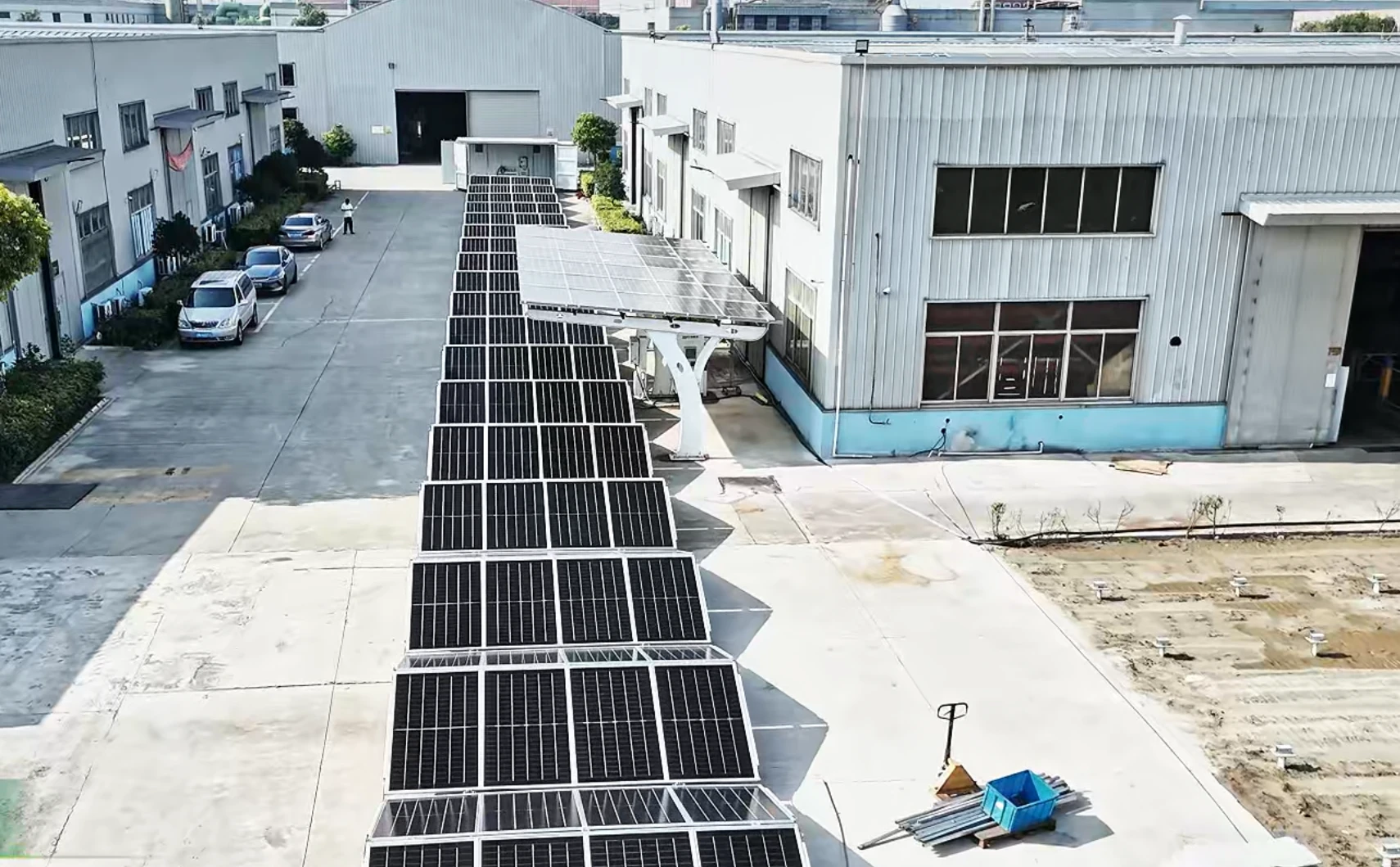
Віртуальні електростанції (ВЕС) розглядаються як місток, що з'єднує інтеграцію відновлюваної енергетики з регулюванням мережі. Коли ця концепція ВЕС поєднується з загальнонаціональною мережею базових станцій 5G, це призводить до створення потужнішої та гнучкішої мережі управління енергією, що формує вирішальний наріжний камінь для побудови майбутніх інтелектуальних мереж.

Віртуальні електростанції: ключовий важіль регулювання відновлюваної енергетики
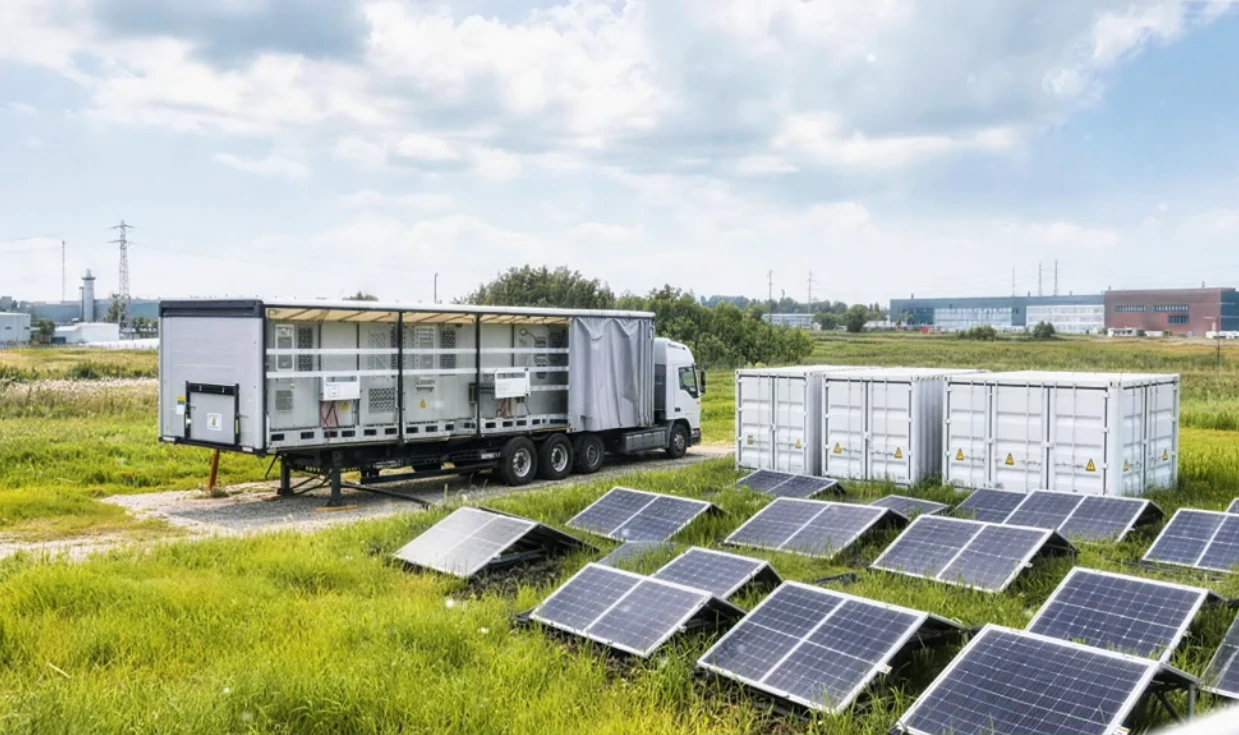
Whilst wind and solar power possess inherent advantages of being clean, low-carbon, and renewable, their randomness, intermittency, and volatility frequently complicate power system dispatch. Virtual power plants were conceived precisely to address these 'green electricity anxieties'.
By integrating distributed energy sources, energy storage systems, and controllable loads, and employing advanced information communication and artificial intelligence technologies for unified dispatch, these previously independent resources gain the coordinated response capabilities of a 'centralised power plant'. This decentralised, multi-node, intelligent control approach is emerging as a new paradigm for flexible regulation within renewable energy systems.
Базові станції 5G: вузли природних віртуальних електростанцій
Currently, China's 5G base stations exceed 3.5 million. These round-the-clock communication infrastructures possess significant energy regulation potential, making them natural nodes for virtual power plants.
З одного боку, вони оснащені суттєвими резервними системами накопичення енергії для аварійного живлення. З іншого боку, ці системи накопичення мають двонаправлені можливості заряджання та розряджання, що дозволяє заряджати в години поза піковим навантаженням та розряджати в періоди пікового навантаження для досягнення скорочення пікового навантаження та заповнення западин.
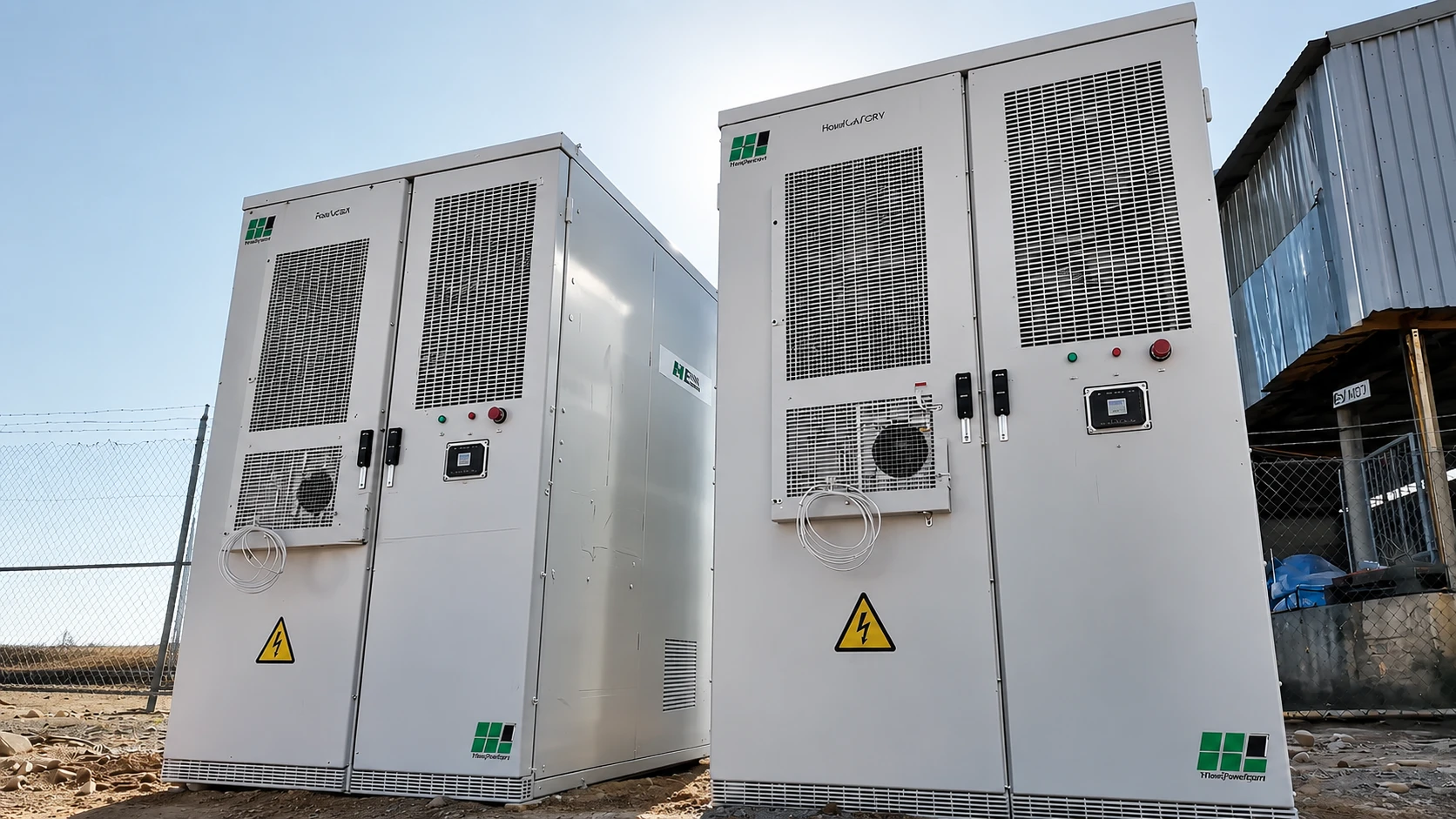
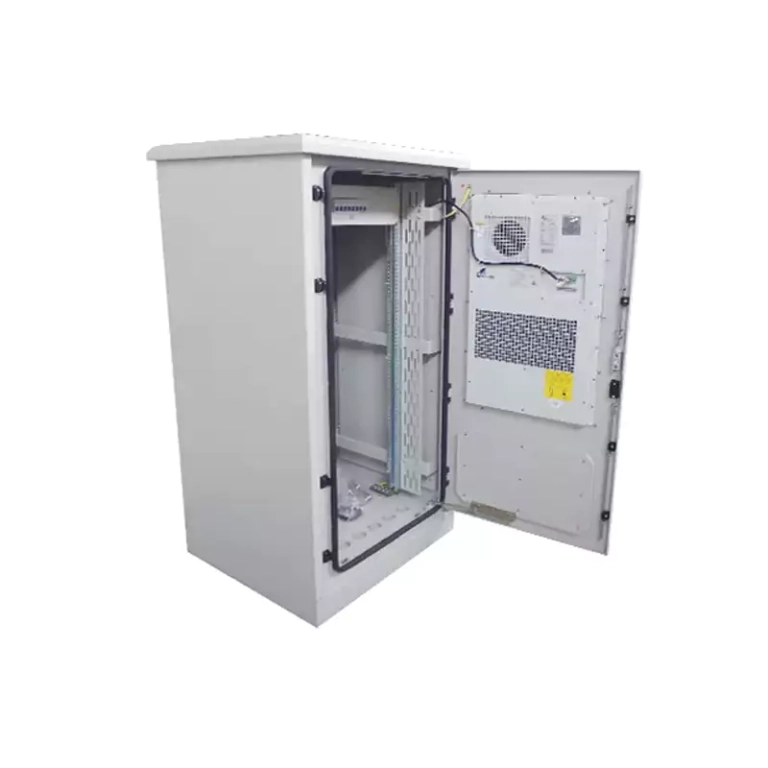
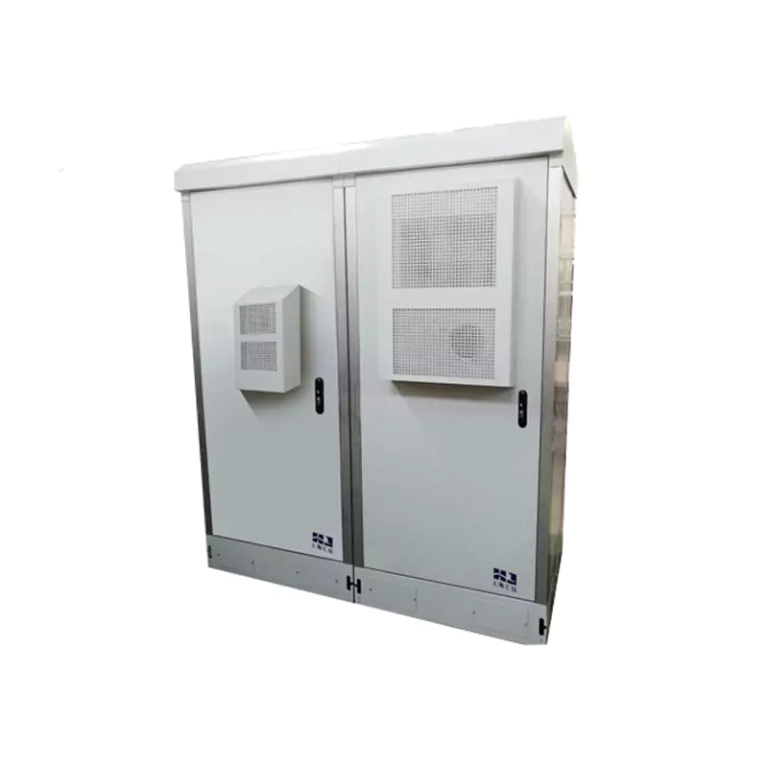
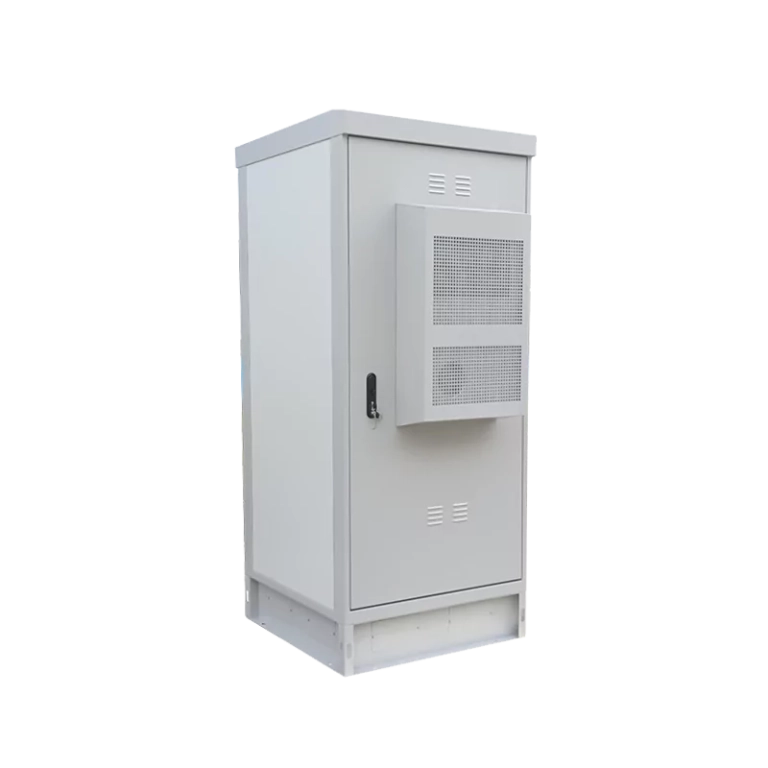
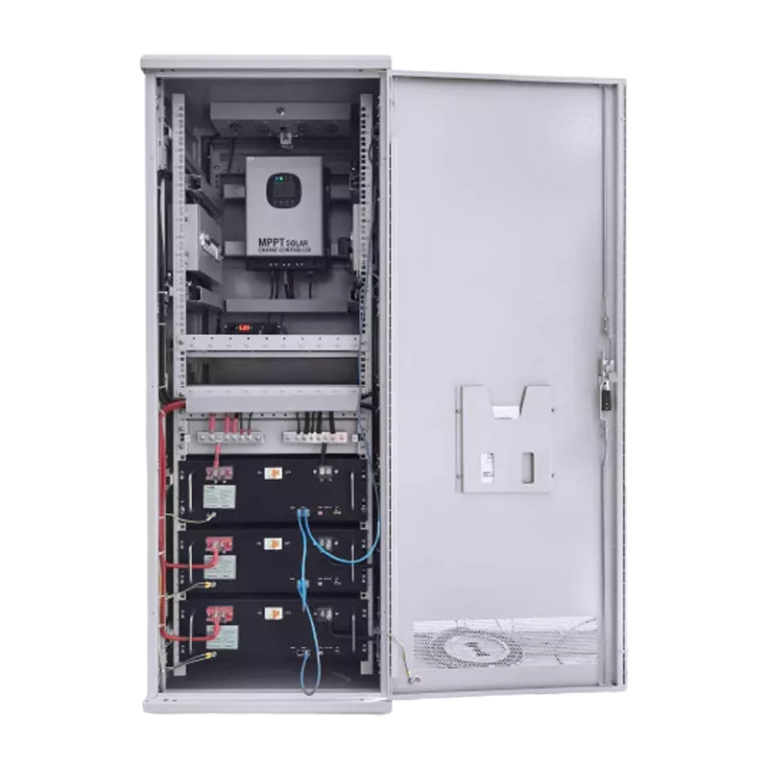
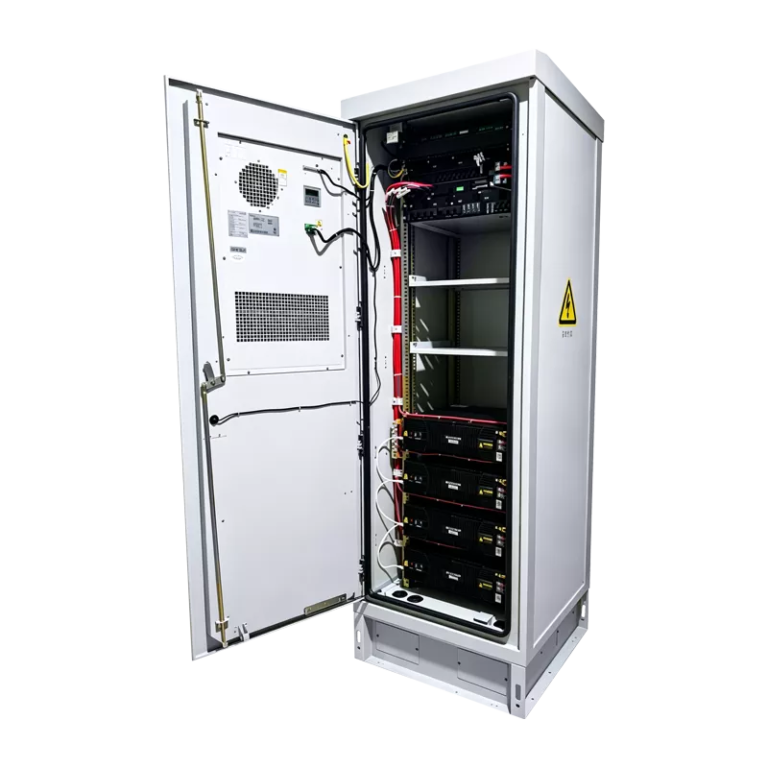
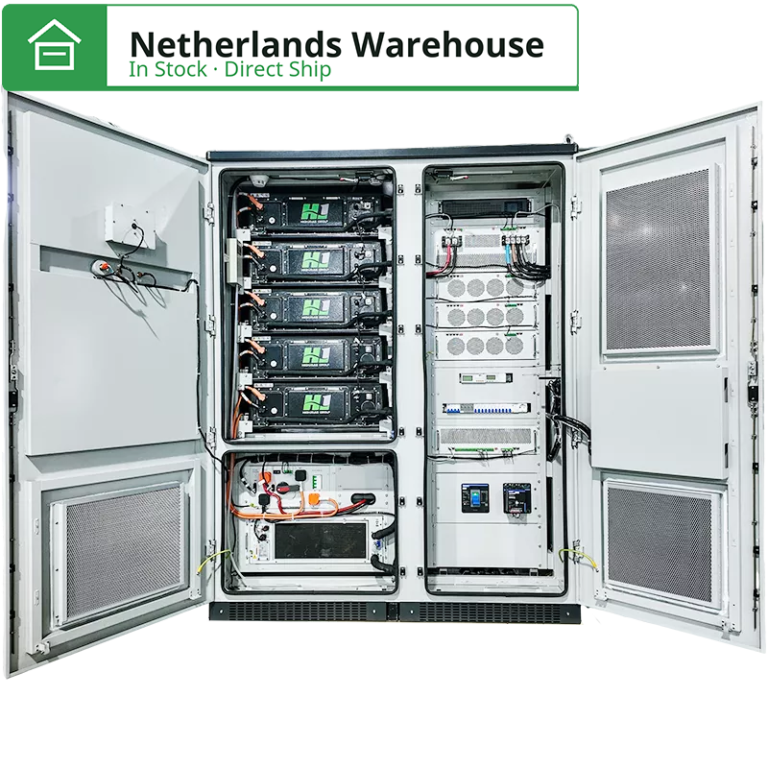
However, realising this potential necessitates support from high-performance, intelligent site energy systems. As a technology leader specialising in the convergence of power and telecommunications, Huijue Group(HJ Group)'s site energy storage solutions represent one of the key technologies underpinning the energy transformation of 5G base stations.
Huijue Group(HJ Group),Building Intelligent Base Station Energy Systems
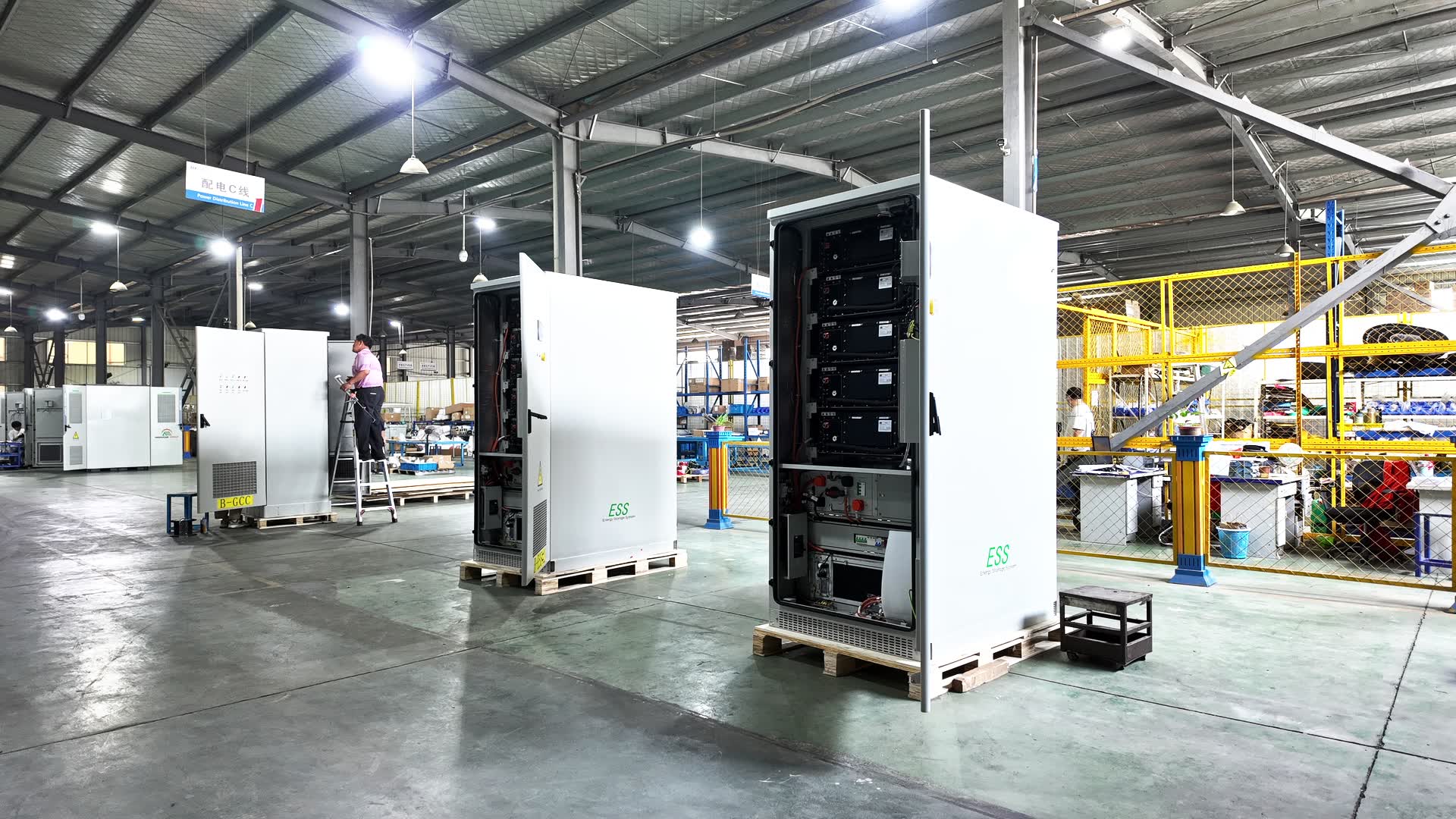
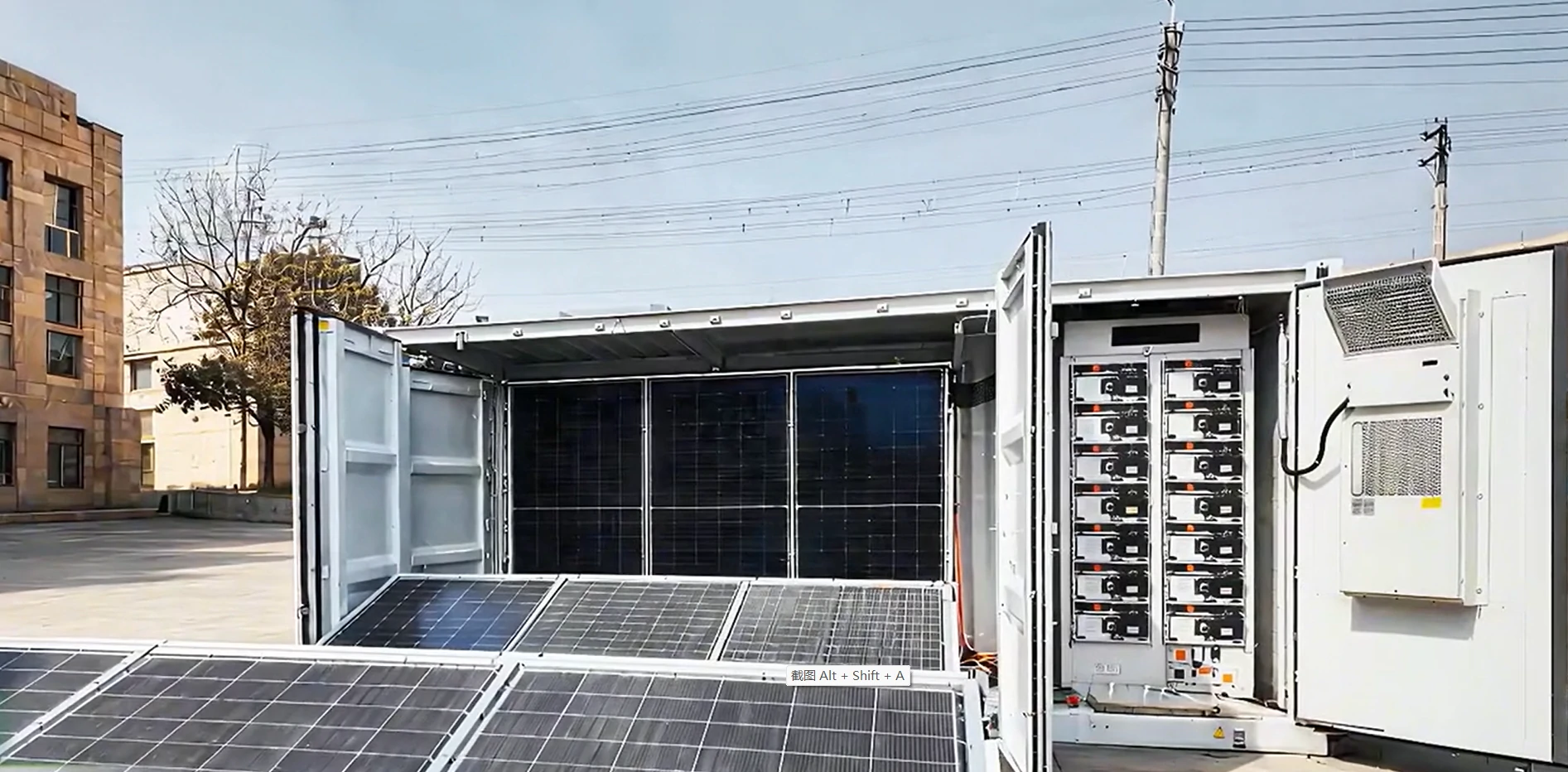
Within traditional 5G base station power systems, energy storage systems often serve solely for emergency power supply, resulting in low resource utilisation. Huijue Group(HJ Group)'s site energy storage system, however, fully activates the market value of storage assets through a combination of high-efficiency lithium iron phosphate batteries, an intelligent energy management system (EMS), and modular design:
Інтелектуальна диспетчеризація: HuiJue's EMS system intelligently optimises and allocates site power based on multi-dimensional parameters including electricity price fluctuations, load demand, and weather forecasts;
Гнучке масштабування: Модульна конструкція дозволяє швидке розгортання на різних типах та масштабах базових станцій без значних модифікацій;
Віддалене обслуговування та експлуатація: Система підтримує віддалений моніторинг та управління операціями, що значно знижує витрати на оплату праці;
This innovative technology and product suite not only enhances base stations' capabilities as virtual power plant nodes but has also been validated in multiple national 5G projects, accelerating the development of a new power system centred on 'edge energy'.
Потрійна цінність у переосмисленні енергетичного ландшафту
Повна інтеграція базових станцій 5G у систему віртуальних електростанцій являє собою не просто технологічний стрибок у регулюванні енергетики, але й матиме глибокий вплив на архітектуру мережі та енергетичну економіку:
Покращена стійкість мережі: The virtual power plant network formed by distributed base stations acts as countless 'micro-power sources,' providing critical power support during extreme loads or emergencies.
Зниження витрат на енергію: регулювання накопичення енергії на основі цін дозволяє базовим станціям купувати за низькими цінами та продавати за високими, що ефективно знижує експлуатаційні витрати на телекомунікаційні послуги.
Сприяння зеленому переходу: накопичення енергії в поєднанні з інтелектуальним управлінням перетворює базові станції з пасивних споживачів енергії на активні енергетичні вузли, сприяючи двонаправленій екосистемі взаємодії між телекомунікаціями та електроенергією.
Від концепції до впровадження, перспективне майбутнє
Currently, regions including Shanghai have integrated certain 5G base station energy storage systems into grid-side demand response frameworks. During peak load periods, the system automatically mobilises site energy to 'feed back' into the grid, while charging automatically during off-peak hours, thereby injecting flexibility into the entire power system.
With ongoing technological breakthroughs and project implementations by enterprises such as HuiJue Group, 5G base station virtual power plants will accelerate from 'technical piloting' to 'large-scale deployment', providing robust support for China's energy digital transformation and energy security safeguards.
Although 5G base station virtual power plants still face challenges in energy storage capacity, market mechanisms, and cost recovery, the direction is clear: as communications and energy deepen their integration, and distributed intelligent control networks become the trend, the blueprint for a new 'energy internet' is quietly taking shape.
Давайте разом станемо свідками того, як, від базових станцій 5G до віртуальних електростанцій, від периферії до центру, до нас прискорюється ера більш інтелектуальної, ефективної та зеленої енергетики.
Останнє оновлення 2025-09-23